How Your Credit Score Affects Loan Approval
When you submit an application for a mortgage, auto loan, personal loan, or credit card, financial institutions do not evaluate your request in a vacuum. Lenders rely on a centralized metric to measure financial responsibility and quantify risk: your credit score. This three-digit number, typically ranging from three hundred to eight hundred and fifty, acts as a financial report card that summarizes your history of managing debt.
A credit score exerts a powerful influence over your financial life. Beyond deciding whether your loan application is approved or rejected, your credit score determines the interest rate you pay, the size of your monthly payment, the required down payment, and the overall cost of borrowing money. Understanding how lenders interpret your credit profile allows you to navigate the borrowing process with confidence and secure the most favorable financial terms available.
Understanding the Role of Credit Scores in Lending
Lenders operate in the business of assessing risk. Whenever a bank, credit union, or online lender issues a loan, they assume the risk that the borrower may delay payments or default on the debt entirely. A credit score serves as a standardized statistical prediction of the likelihood that you will repay borrowed money on time over a specific period.
The two primary credit scoring models used by major financial institutions are FICO and VantageScore. While both systems evaluate similar financial behaviors, FICO scores remain the industry standard for the vast majority of lending decisions, particularly in mortgage underwriting. Scores are calculated using data gathered by the three major credit reporting bureaus: Equifax, Experian, and TransUnion.
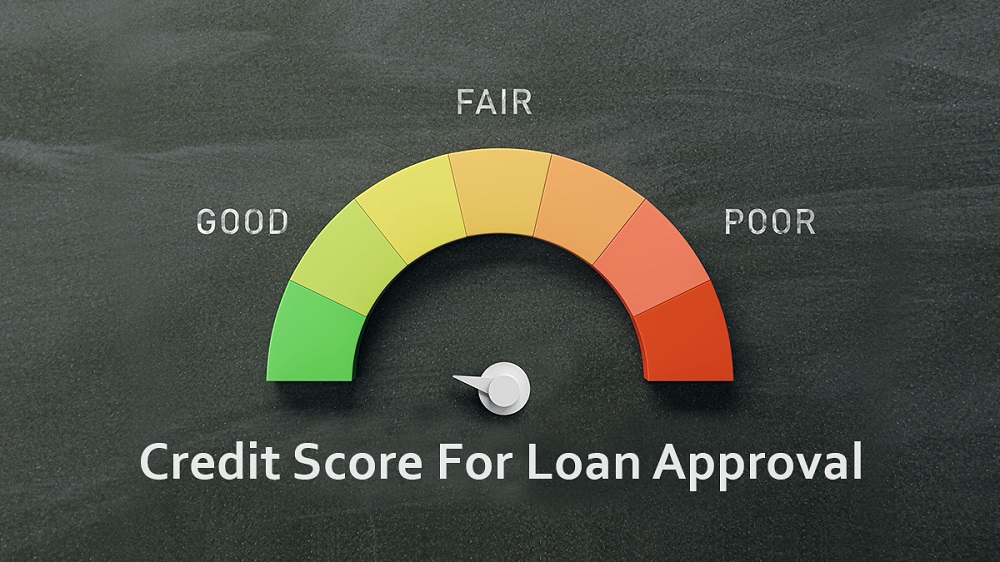
Lenders generally group credit scores into broad performance tiers:
-
Exceptional (800 to 850): Demonstrates flawless credit management. Borrowers in this tier receive automatic loan approvals and the lowest available interest rates.
-
Very Good (740 to 799): Indicates above-average financial responsibility. Borrowers easily qualify for competitive loan offers and favorable terms.
-
Good (670 to 739): Represents the national average. Borrowers generally secure approval, though interest rates may be slightly higher than prime tiers.
-
Fair (580 to 669): Signals potential risk due to past late payments or high debt levels. Approval is less certain and comes with elevated interest rates.
-
Poor (300 to 579): Indicates significant credit distress, such as defaults, bankruptcies, or severe delinquencies. Loan applications are frequently denied or require substantial collateral.
How Lenders Evaluate Your Credit Profile During Loan Underwriting
When you apply for a loan, the financial institution initiates a process called underwriting. Underwriting involves analyzing your credit report, income documentation, existing debt obligations, and financial assets to determine your creditworthiness.
Modern lending relies heavily on automated underwriting systems. These computer algorithms evaluate your credit score alongside specific pre-set criteria established by the lender. If your score exceeds the lender’s minimum threshold, the algorithm routes your application toward approval. If your score falls below the required line, the system may issue an automated denial or flag your file for manual underwriting, where a human underwriter reviews your financial documents to determine if an exception can be made.
The importance of your credit score varies depending on the type of loan you seek:
-
Mortgage Loans: Mortgage underwriting involves strict credit score minimums. Conventional loans backed by Fannie Mae or Freddie Mac generally require a minimum score of six hundred and twenty, while government-backed options like FHA loans may allow scores as low as five hundred and eighty.
-
Auto Loans: Auto lenders are often more flexible with lower credit scores because the vehicle serves as collateral that can be repossessed if payments cease. However, subprime borrowers face significantly higher interest rates.
-
Personal Loans: Unsecured personal loans carry no collateral, making lenders highly reliant on credit scores. Borrowers with fair or poor credit face strict limits on borrowing amounts and high annual percentage rates.
-
Credit Cards: Credit card issuers use credit scores to set credit limits and determine variable interest rates. High scores unlock rewards cards with generous perks and high limits.
Key Factors of Your Credit Score That Lenders Scrutinize
To understand how your score impacts loan approval, you must understand the core components that build a credit profile. Scoring models evaluate five primary categories of financial behavior, each weighted differently.
Payment History
Accounting for thirty-five percent of your total score, payment history is the single most important factor in lending decisions. Lenders want proof that you honor past financial agreements. On-time payments across credit cards, loans, and mortgages build a strong foundation. Conversely, thirty-day late payments, collections, repossessions, foreclosures, and bankruptcies severely damage your score and signal extreme risk to underwriters.
Credit Utilization Ratio
Credit utilization accounts for thirty percent of your score and measures the percentage of your available revolving credit currently in use. For example, if you hold a credit card with a ten thousand dollar limit and carry a balance of three thousand dollars, your utilization ratio is thirty percent. Lenders prefer to see a utilization ratio below thirty percent, with lower ratios indicating that you are not overly reliant on credit to manage daily expenses.
Length of Credit History
Representing fifteen percent of your score, this category tracks the age of your credit accounts. Scoring algorithms evaluate the age of your oldest account, the age of your newest account, and the average age of all your open accounts combined. A longer credit history provides lenders with a larger sample size of your repayment behavior over different economic cycles.
Credit Mix
Composing ten percent of your score, credit mix reflects your ability to manage a diverse range of credit products. A healthy credit mix includes both revolving credit, such as credit cards or lines of credit, and installment loans, such as mortgages, student loans, or auto loans. Demonstrating success across different debt structures reassures lenders that you can handle complex financial obligations.
New Credit and Recent Inquiries
Making up the final ten percent of your score, this factor monitors how frequently you apply for new credit lines. When you apply for a loan, the lender performs a hard inquiry on your credit report, which temporarily lowers your score by a few points. Opening multiple new accounts within a short timeframe suggests financial instability or impending debt accumulation, raising red flags for underwriters.
The Direct Impact of Credit Scores on Loan Terms and Pricing
A high credit score does far more than open the door to loan approval; it saves you thousands of dollars over the life of a loan. Lenders use tiered pricing structures that reward low-risk borrowers with lower interest rates while charging higher rates to high-risk borrowers to offset potential default losses.
Interest Rates and Annual Percentage Rates
Interest represents the cost of borrowing money. A borrower with an exceptional credit score of seven hundred and eighty seeking a thirty-year fixed mortgage may qualify for an interest rate two percentage points lower than a borrower with a fair score of six hundred and twenty. Over a thirty-year loan period, that two percentage point difference translates into tens of thousands of dollars in extra interest payments.
Loan Amounts and Maximum Borrowing Limits
Your credit score directly influences how much money a lender is willing to extend. High credit scores demonstrate financial stability, prompting banks to approve higher total loan amounts and generous credit card limits. Low scores result in capped loan amounts, restricting your purchasing power when buying a home or vehicle.
Down Payment and Collateral Demands
Borrowers with weak credit scores are often required to put down larger upfront cash payments to secure loan approval. In mortgage lending, a lower credit score may force you to make a larger down payment or pay monthly Private Mortgage Insurance premiums to protect the lender against potential loss. In auto financing, a lower score may require a substantial cash down payment or a co-signer to mitigate risk.
Additional Financial Metrics Lenders Consider
While your credit score is the primary metric in loan underwriting, lenders evaluate several supplementary financial metrics before issuing a final approval.
-
Debt-to-Income Ratio: Your debt-to-income ratio compares your total monthly debt payments against your gross monthly income. Lenders prefer a debt-to-income ratio below thirty-six percent, ensuring you have sufficient cash flow to cover new loan obligations.
-
Income Stability and Employment History: Lenders review pay stubs, tax returns, and W-2 forms to verify consistent income. A steady employment history over two or more years reassures underwriters that your income will remain reliable.
-
Cash Reserves and Liquidity: Holding cash reserves in checking, savings, or investment accounts demonstrates that you can maintain loan payments during temporary financial hardships or job transitions.
Actionable Strategies to Improve Your Score Before Applying
Preparing your credit profile several months before applying for a major loan ensures you secure the best possible approval terms.
-
Pay Down Revolving Balances: Lowering your credit card balances reduces your overall credit utilization ratio, which can boost your score quickly within one to two billing cycles.
-
Review Credit Reports for Errors: Obtain free annual credit reports from all three major bureaus and dispute inaccurate information, such as incorrect late payments or fraudulent accounts.
-
Establish Automated Payments: Set up automatic monthly payments for all minimum debt obligations to guarantee you never miss a due date.
-
Keep Older Credit Accounts Open: Avoid closing old credit cards prior to applying for a loan, as doing so reduces your total available credit and lowers the average age of your credit history.
-
Pause New Credit Applications: Refrain from applying for new credit cards, retail store accounts, or personal loans in the six months leading up to a major loan application to avoid unnecessary hard inquiries.
Frequently Asked Questions
How long does a hard inquiry stay on your credit report, and how much does it lower your score?
A hard credit inquiry remains on your credit report for two years, but its effect on your credit score typically diminishes within six months. A single hard inquiry usually lowers your score by less than five points.
Can you secure a mortgage with a poor credit score if you offer a large cash down payment?
Offering a large down payment reduces the lender’s risk exposure, which can help offset a lower credit score. While government-backed loans like FHA mortgages allow lower scores with down payments, conventional mortgage lenders still enforce strict minimum credit score floors regardless of down payment size.
Does checking your own credit report hurt your credit score?
Checking your own credit report is classified as a soft inquiry and has zero impact on your credit score. You can review your credit reports and scores as frequently as you like without damaging your credit standing.
How does adding a co-signer help if your credit score is below lender requirements?
A co-signer with strong credit agrees to take equal legal responsibility for repaying the debt if you default. Adding a qualified co-signer reduces the lender’s risk, allowing applicants with lower scores or limited credit histories to secure loan approval and better interest rates.
What is the difference between a soft credit pull and a hard credit pull during loan pre-approval?
A soft credit pull is an initial credit check that does not affect your credit score, often used for promotional offers or preliminary pre-qualification. A hard credit pull occurs when you formally submit a loan application, granting the lender full access to your credit history, which temporarily lowers your score slightly.
How quickly can your credit score rebound after paying off a large credit card balance?
Your credit score usually updates within thirty to forty-five days after paying off a large balance. Credit card issuers report updated account balances to the major credit bureaus once a month, typically at the end of your billing cycle.
Will closing an unused credit card improve your credit score right before applying for a loan?
Closing an unused credit card can actually harm your credit score. Closing an account reduces your total available credit limit, which instantly increases your overall credit utilization ratio. Additionally, it can lower the average age of your credit accounts over time.

Related Posts

Is a homemade Will worth the cost saving?

3 Risks Of A Home Equity Loan