Navigating the Modern Economy: Dynamics, Disruptions, and the Road Ahead
Introduction: The Ever-Changing Economic Landscape
The economy is not a static entity but a living, breathing system shaped by countless interactions among individuals, institutions, markets, and governments. It dictates the rhythm of nations, affects the well-being of citizens, and forms the foundation upon which modern civilization functions. In today’s interconnected world, understanding economic dynamics is more crucial than ever. From inflation to digital currencies, from globalization to sustainability, the modern economy is undergoing a profound transformation—one that demands clarity, foresight, and adaptability.
What Is an Economy? A Foundation Revisited
Before delving into the intricacies of today’s economic systems, it’s essential to revisit the basics. An economy encompasses all activities related to the production, distribution, and consumption of goods and services within a society. At its heart, the economy is about choice—how people allocate scarce resources to satisfy needs and desires.
Core Elements of Economic Functioning:
-
Production: The creation of goods and services using labor, capital, and natural resources.
-
Exchange: The trading of goods and services in markets using money or barter systems.
-
Consumption: The use of goods and services by households, businesses, and governments.
-
Investment: The allocation of resources for future returns, such as in infrastructure, education, or innovation.
-
Distribution: How income and wealth are shared among individuals and groups.
Understanding these components allows one to appreciate how economies grow, why they contract, and how policy decisions ripple through society.
Types of Economies: Structures That Define Strategy
Different nations adopt various economic models based on their cultural, historical, and political contexts. Each system has implications for efficiency, equity, and innovation.
Primary Economic Models:
-
Capitalist (Market) Economy: Driven by private ownership and free markets, where supply and demand determine prices and production. The U.S. and most Western nations lean toward this model.
-
Command Economy: Centralized planning by the state, often found in socialist or formerly communist nations like North Korea or the Soviet Union.
-
Mixed Economy: A blend of market-driven dynamics and government intervention. Most modern economies, including France, Germany, and India, fall under this category.
While capitalism encourages innovation and efficiency, it may result in inequality. Conversely, command economies prioritize equity but often struggle with inefficiency. Mixed economies attempt to balance the two.
Indicators of Economic Health: Reading the Signs
Governments and economists use specific metrics to assess the state of an economy. These indicators not only offer a snapshot of current conditions but also help forecast future trends.
Major Economic Indicators:
-
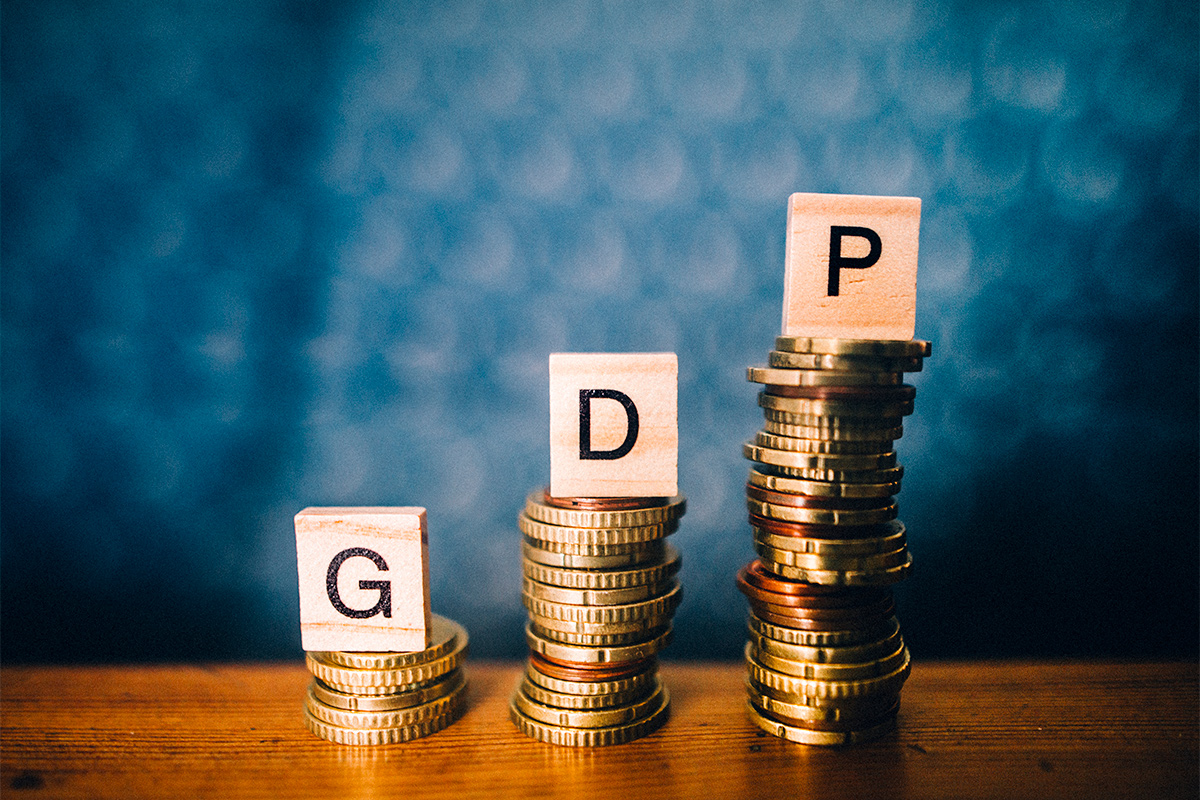
Gross Domestic Product (GDP): Measures total economic output and growth.
-
Unemployment Rate: Indicates the percentage of people actively seeking work but unable to find employment.
-
Inflation Rate: Measures the rate at which prices for goods and services rise, affecting purchasing power.
-
Consumer Confidence Index: Gauges how optimistic or pessimistic consumers are about their financial prospects.
-
Balance of Trade: The difference between a nation’s exports and imports, reflecting economic competitiveness.
A healthy economy generally features stable growth, low unemployment, controlled inflation, and robust consumer sentiment.
Forces Shaping the Modern Economy
The 21st-century economy is no longer just about production and consumption. A multitude of global forces are reshaping the way economic systems function.
Key Drivers of Economic Change:
-
Globalization: Interconnected trade, finance, and labor markets have created opportunities and vulnerabilities alike.
-
Technological Advancement: AI, automation, and digitalization are transforming industries, disrupting jobs, and redefining productivity.
-
Environmental Sustainability: Climate change is forcing a rethinking of resource use, energy systems, and economic planning.
-
Demographic Shifts: Aging populations, migration, and urbanization are altering labor markets and consumption patterns.
-
Geopolitical Dynamics: Trade wars, sanctions, and conflicts now have far-reaching economic consequences, touching supply chains and investment flows.
Understanding these megatrends is vital for governments, businesses, and individuals looking to adapt and thrive.
The Role of Government in Economic Management
While market forces play a critical role in shaping economies, government intervention is often necessary to correct imbalances, support vulnerable groups, and ensure long-term stability.
Tools of Government Intervention:
-
Fiscal Policy: Adjusting public spending and taxation to influence economic activity. For example, stimulus packages during a recession.
-
Monetary Policy: Managed by central banks to control money supply and interest rates, affecting inflation and investment.
-
Regulation and Oversight: Ensures fair markets, protects consumers, and prevents financial crises.
-
Public Investment: Funding infrastructure, education, healthcare, and research to foster sustainable growth.
Governments must strike a delicate balance—too little intervention can lead to inequality and instability, while overreach may stifle innovation and efficiency.
The Digital Economy: A Paradigm Shift
One of the most significant transformations in recent decades has been the rise of the digital economy. Enabled by the internet and mobile technology, this sector includes e-commerce, digital services, fintech, and the gig economy.
Key Aspects of the Digital Economy:
-
E-commerce: Platforms like Amazon, Alibaba, and Shopify have revolutionized retail and logistics.
-
Cryptocurrency and Blockchain: Offering decentralized alternatives to traditional finance.
-
Remote Work and Freelancing: Changing employment structures and income generation.
-
Data Economy: Personal data is now a valuable commodity, driving targeted advertising, AI, and automation.
While digitalization fosters innovation and efficiency, it also raises concerns around privacy, cybersecurity, and job displacement.
Toward a Sustainable and Inclusive Economy
Modern economic thought is evolving to consider not just wealth creation, but also sustainability and equity. Traditional metrics like GDP are being supplemented with broader indicators that reflect quality of life and environmental impact.
Future Economic Goals:
-
Green Growth: Transitioning to renewable energy, sustainable agriculture, and low-carbon industries.
-
Inclusive Development: Ensuring all citizens have access to opportunity and protection from poverty.
-
Circular Economy: Designing systems that minimize waste and maximize resource reuse.
-
Resilience Building: Strengthening economic systems against shocks like pandemics, financial crises, and climate disasters.
The path forward requires collaboration across sectors and borders, along with bold policy innovation and responsible leadership.
Conclusion: The Economy as a Mirror of Society
The economy is not an abstract machine but a human-centered system that reflects the values, choices, and priorities of society. It is both a driver of progress and a source of challenge. In an age of unprecedented change, understanding economic principles is no longer the domain of academics alone—it is a civic imperative.
As we look toward the future, the true measure of a successful economy will be its ability to uplift all people, protect the planet, and adapt to the evolving needs of humanity. Navigating this complex terrain requires wisdom, resilience, and an unwavering commitment to building an economy that serves both prosperity and purpose.

Related Posts
The Pulse of Progress: Unraveling the Complex Tapestry of the Modern Economy
A Quick Overview of Our Economy