Introduction: The Essence of Modern Civilization
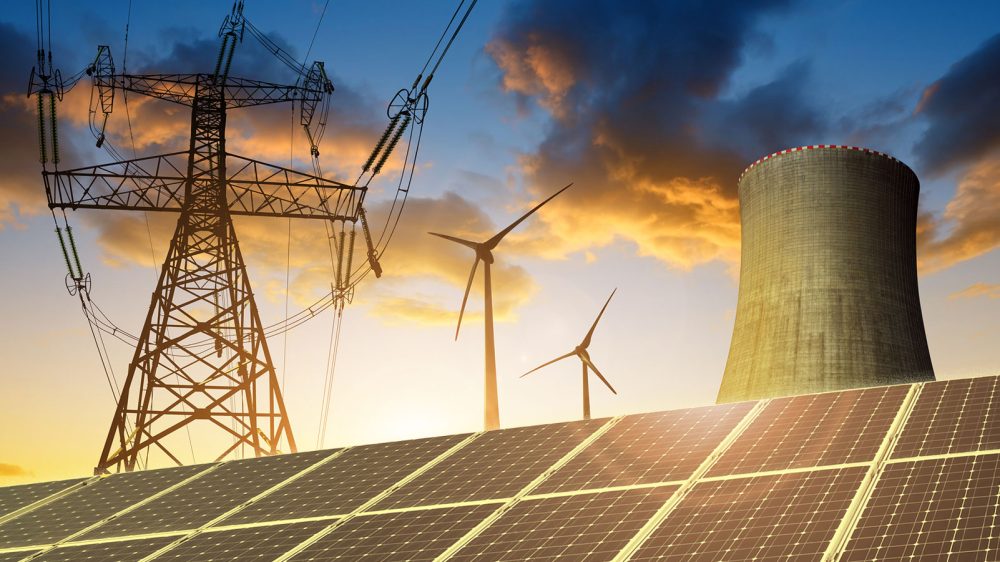
Energy is the invisible force that powers civilization. From lighting our homes and running our industries to fueling global transport and enabling digital connectivity, energy underpins nearly every facet of modern life. As societies advance and populations grow, the demand for energy continues to surge. Yet, the way we produce and consume it is evolving rapidly, shaped by innovation, environmental imperatives, and the shifting landscape of global politics. To understand energy is to understand the heartbeat of progress—and the challenges that lie ahead.
The Fundamentals of Energy: Forms and Functions
At its core, energy is the capacity to do work. It exists in multiple forms—kinetic, potential, thermal, chemical, electrical, and nuclear—and it can be transformed but never destroyed. This principle, known as the law of conservation of energy, forms the basis for all energy systems in the natural and industrial world.
Common Types of Usable Energy:
-
Thermal Energy: Derived from heat, commonly used in power generation.
-
Electrical Energy: Powers homes, businesses, and infrastructure.
-
Mechanical Energy: Found in machines and moving parts.
-
Chemical Energy: Stored in fuels like coal, oil, and natural gas.
-
Nuclear Energy: Released during atomic reactions, used in power plants.
-
Renewable Energy: Harvested from naturally replenishing sources such as the sun, wind, and water.
Each type plays a distinct role in the global energy ecosystem, with varying degrees of efficiency, availability, and environmental impact.
Fossil Fuels: The Backbone and Burden
For over a century, fossil fuels—coal, oil, and natural gas—have been the dominant sources of energy. Their high energy density and ease of transport revolutionized industry, transportation, and daily life. However, their environmental costs are increasingly untenable.
Advantages of Fossil Fuels:
-
Energy-Dense: High output for relatively low input.
-
Reliable Supply: Consistent and predictable energy generation.
-
Established Infrastructure: Global systems already in place for extraction and distribution.
Disadvantages and Challenges:
-
Greenhouse Gas Emissions: Major contributors to climate change.
-
Finite Resources: Reserves are limited and becoming harder to access.
-
Environmental Damage: Oil spills, mining destruction, and air pollution.
While fossil fuels remain vital to many economies, their long-term viability is under scrutiny, spurring urgent calls for alternatives.
The Rise of Renewable Energy: Harnessing Nature’s Abundance
Renewable energy represents a paradigm shift in how we think about and utilize power. Instead of extracting finite resources, renewables tap into naturally replenishing elements of the Earth. As technology advances, these sources are becoming increasingly competitive, both economically and environmentally.
Leading Renewable Sources:
-
Solar Energy: Captures sunlight using photovoltaic cells or solar thermal systems.
-
Wind Energy: Converts wind motion into electricity through turbines.
-
Hydropower: Uses the force of moving water to generate power.
-
Geothermal Energy: Draws heat from beneath the Earth’s crust.
-
Biomass: Organic material burned or processed into fuel.
Benefits of Renewable Energy:
-
Clean and Sustainable: Minimal emissions and environmental impact.
-
Inexhaustible: Unlike fossil fuels, they are naturally replenished.
-
Decentralized Potential: Enables localized power generation and rural electrification.
The challenges—intermittency, storage, and high initial costs—are gradually being mitigated through innovations in battery technology, smart grids, and government subsidies.
Nuclear Energy: Promise and Peril
Nuclear energy remains one of the most controversial forms of power. It offers substantial benefits in terms of efficiency and emissions but is burdened by public concerns over safety, waste, and the potential for catastrophic failure.
Why Nuclear Matters:
-
Low Carbon Emissions: Produces almost no greenhouse gases.
-
High Energy Yield: A small amount of fuel generates vast amounts of energy.
-
Consistent Output: Unlike solar and wind, it offers stable baseline power.
Major Drawbacks:
-
Radioactive Waste: Long-term disposal remains unresolved.
-
High Costs: Construction and decommissioning are capital intensive.
-
Risk of Accidents: Events like Chernobyl and Fukushima cast long shadows.
Despite these concerns, next-generation reactors and nuclear fusion research may pave the way for a safer nuclear future.
Energy and the Environment: A Fragile Balance
The extraction and consumption of energy have profound environmental consequences. Climate change, pollution, habitat destruction, and water scarcity are all linked to how we generate power. Transitioning to sustainable energy is no longer just a technological challenge—it’s an ethical and ecological imperative.
Key Environmental Concerns:
-
Carbon Footprint: Energy production is the largest source of CO₂ emissions globally.
-
Air and Water Pollution: Fossil fuel combustion contaminates ecosystems and public health.
-
Resource Depletion: Unsustainable mining and drilling practices degrade the natural world.
Sustainable development calls for integrating energy policies with environmental stewardship, ensuring that progress does not come at the planet’s expense.
Geopolitics of Energy: Power, Dependency, and Security
Energy is also a strategic asset. Nations that control energy resources often wield considerable geopolitical influence. Conversely, dependence on foreign energy can make countries vulnerable to supply shocks and political leverage.
Geopolitical Dynamics:
-
Oil and Gas Dependencies: Tensions often arise in oil-rich regions like the Middle East or Arctic.
-
Energy Trade Routes: Choke points like the Strait of Hormuz are critical to global supply chains.
-
Renewable Autonomy: Shifting to local renewables can enhance national energy security.
-
Technological Dominance: Nations leading in clean tech gain both economic and diplomatic advantages.
Energy strategy, therefore, is not only about engineering but also diplomacy, security, and long-term planning.
The Future of Energy: Innovation and Integration
As humanity approaches a crossroads, the future of energy will be defined by innovation, inclusivity, and intelligence. Smart grids, decentralized power systems, energy-efficient buildings, and AI-driven demand forecasting will reshape how energy is produced and consumed.
Emerging Trends:
-
Green Hydrogen: A clean fuel with applications across transport and industry.
-
Battery Technology: Advances in storage will revolutionize intermittent renewables.
-
Microgrids: Small-scale, localized energy systems enhancing resilience.
-
Energy Access: Expanding electricity to underserved regions, especially in Africa and Asia.
The transition to a clean, just, and reliable energy future requires collective vision and global cooperation.
Conclusion: Energizing a Sustainable Tomorrow
Energy is more than just a utility—it is the foundation of opportunity, prosperity, and survival. As we stand at a pivotal moment in history, the decisions we make today will echo through generations. Balancing growth with responsibility, innovation with inclusivity, and consumption with conservation is no small task. Yet, with the right mix of policy, technology, and global resolve, we can illuminate the path to a future that is not only powered—but empowered—by energy in its most ethical and sustainable form